Key Takeaways
Vending machines in schools are a good option for students to buy drinks and snacks. But they shouldn’t be used as a substitute for full-service cafeteria meals.
Healthy vending machines for schools can also provide healthier and better options when the products to stock are chosen based on specific nutrition standards.
Modern vending machines can refrigerate products and keep them fresh. Some also accept cashless payment, allowing accessibility to many students.
However, vending machines in schools also come with their pros and cons. Costs, waste management, and policy issues are common concerns that schools have to deal with from time to time.
While students are in school most of the day, their food needs do not always fit with the school cafeteria's timetable. A student may need to skip breakfast, practice after school, grab a snack in between, or be seeking out an extra option at an official break.
The vending machine discussion for schools makes sense when sugary drinks and heavily processed snacks are the only easy choices. A better question is not why vending machines should be allowed in schools, but what schools should expect from them.
Modern vending machines can provide students with immediate access to food and also encourage healthier choices through clear nutrition standards and realistic school policies.
With the right products, placement, technology, and monitoring, vending machines can be used as part of a school’s access to food, not a source for empty calories.
Table of Contents
1. Vending Machines in Schools Pros
2. What Healthy Vending Machines for Schools Look Like Today
3. School Vending Machine Policy: Who Decides What Goes Inside?
4. Are Healthy Vending Machines A Good Alternative To School Cafeterias?
5. Do Vending Machines In Schools Help Or Hurt Student Nutrition?
6. Smart Coolers and Micro Markets for Schools
7. Making School Vending Work for Students
8. Frequently Asked Questions
Vending Machines in Schools Pros
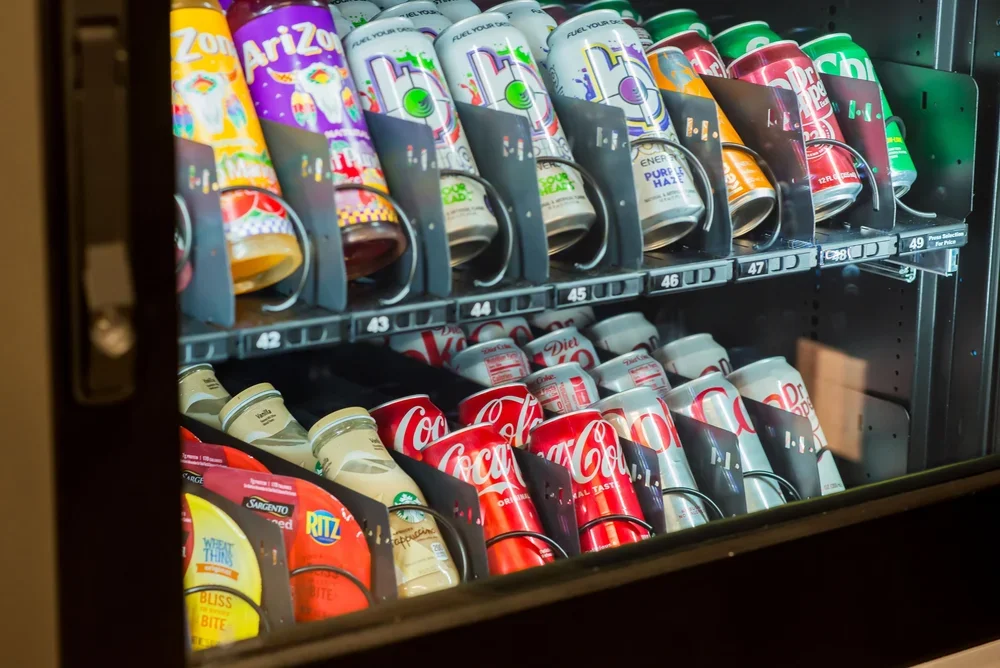
The strongest case for vending machines in schools is simple: access. Students have different schedules, appetites, dietary needs, and activities throughout the day. A well-managed vending machine can offer an additional food option without requiring the school to hire more cafeteria staff or extend cafeteria hours.
Here are some of the benefits of vending machines for schools
1. Provide Convenient Food Access
Convenience is one of the biggest reasons vending machines can work well in schools. Students often have limited time between classes or activities, and cafeteria lines can become crowded during busy periods.
If school policies allow it, a vending machine provides another option for students to purchase a snack. This can be particularly handy for students who prefer something small over a full meal.
Modern vending machines can accommodate a range of products, including snacks, beverages, refrigerated foods, and frozen items. This allows schools to choose a machine based on their specific needs instead of relying on a one-size-fits-all setup.
2. Support Healthier Choices
Vending machines do not decide what students eat. The foods put inside those vending machines do.
Schools can create a "choice architecture" that encourages healthier options. Water can be front and center, healthy snacks can be given extra shelf space, and smaller portions can be made available rather than jumbo-sized packages.
Refrigerated vending machines can be used to stock items that can't fit in a traditional snack machine. In this way, vending can make nutrition part of the everyday environment that students experience at school.
3. Reduce Pressure on Cafeteria Service
Vending machines can complement school meal programs by providing a separate option for snacks and other approved food purchases.
When students get appropriate snacks elsewhere, cafeteria staff can stay focused on breakfast and lunch service. Schools can also use vending as a supplement for specific programs instead of expecting one food service operation to meet every need.
4. Serve Students Outside Normal Cafeteria Hours
School cafeterias are usually run according to specific meal times, but students don't always stick to that timetable. Transportation delays, athletic practices, clubs, tutoring, and after-school activities can leave students at school long after breakfast and lunch.
A well-managed vending machine can be used to provide food access during designated times when the cafeteria is closed. This can be particularly valuable for schools where students regularly have long activity schedules.
5. Support Operational Efficiency
Modern vending equipment can accept cashless payments and accommodate different product configurations. Depending on the model, a machine may be designed for snacks that meet smart snacks standards for school vending machines, beverages, or refrigerated foods.
The result is a convenient food access point that generally requires less space than a staffed retail counter. Of course, efficient operation depends on proper management. Machines need to be stocked, cleaned, maintained, and regularly checked so products are rotated appropriately.
What Healthy Vending Machines for Schools Look Like Today
The traditional vending machine had a fairly simple purpose: to dispense a bag of chips or a can of soda. Modern healthy vending machines for schools can be built around a product list that the school approves before anything is stocked.
Depending on the school's requirements, machines can carry products such as whole-grain crackers, trail mix, fruit cups, and unsweetened beverages. Food selection can be adjusted based on sales data, replacing products that consistently fail to sell with options students are more likely to choose.
The machine's format matters, too. At FreshVendCLT, our snack, beverage, combo, or frozen and cold food vending machines can be matched to different locations and needs. For example, a beverage machine with 36 selections can accommodate water and milk in one cabinet.
School Vending Machine Policy: Who Decides What Goes Inside?
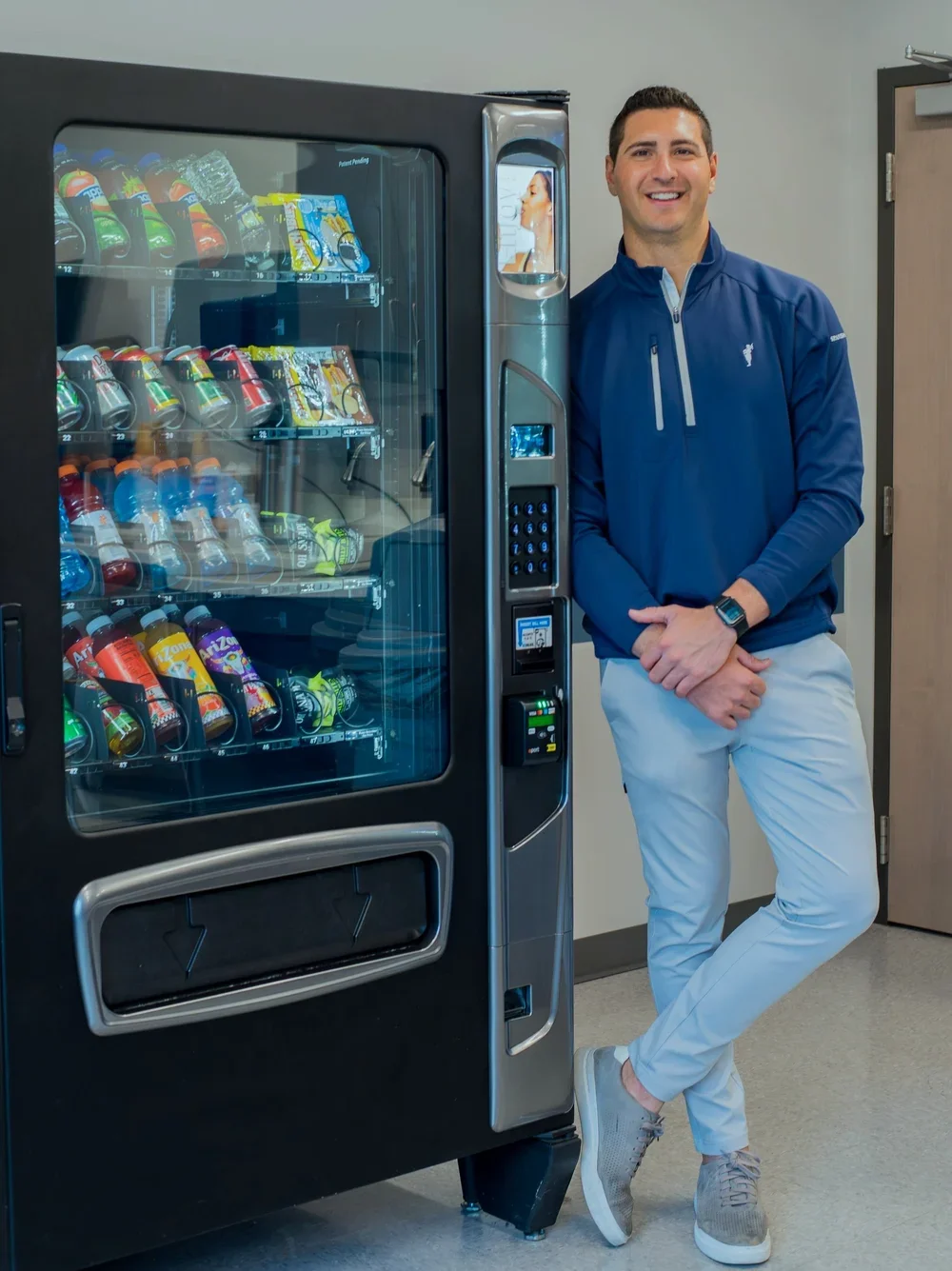
Smart snacks establish the federal baseline, but it may not be the only standard a school has to follow. States and school districts can impose stricter requirements. Districts that participate in federal school meal programs also maintain local wellness policies, which can establish additional nutrition standards for foods and beverages sold on campus.
A good school vending machine policy should answer a few straightforward questions: Which students can use the machines? When can they operate? Where can they be placed? Who approves the products? And how does the school verify that those products meet the applicable requirements?
Location and operating hours can make a real difference. Some districts keep vending machines away from the lunch line and make them available after the final lunch period. That allows vending to complement the meal program rather than compete with it.
Other schools choose not to place machines in elementary buildings and instead use them in high school common areas or staff spaces. The agreement with the vending operator about nutritious vending machine options should be equally clear. Schools should receive nutrition information and ingredient lists for the products offered, and the contract should give the school the ability to remove a product when necessary.
If the food vending machines program generates revenue, the school should also decide in advance how that money will be used. In some districts, vending commissions support student welfare activities, athletics, or other school programs.
Are Healthy Vending Machines A Good Alternative To School Cafeterias?
Not as a replacement. Even some of the nutritious vending machine options available work best as a supplement to the cafeteria.
A cafeteria is designed to serve complete school meals with the required components. A vending machine serves a different purpose. It can fill the gaps before school, after lunch, during extracurricular activities, or when students remain on campus after normal cafeteria service has ended.
That distinction matters, because the primary role of healthy vending machines for schools should be to provide another source of appropriate food without asking the cafeteria to cover every situation. For a kitchen operating around fixed meal periods, limited space, and staffing constraints, this can make the overall food service operation easier to manage.
Do Vending Machines In Schools Help Or Hurt Student Nutrition?
This depends largely on what is being sold, how it is presented, and when students can purchase it. A vending machine stocked according to Smart Snacks requirements puts nutritional limits on the foods and drinks available for purchase.
A machine filled with products that fall outside those standards creates a different situation and could leave the school out of compliance with applicable regulations or its own policies.
Sales information can also give a school insight that a written policy never could. If students regularly buy water, fruit cups, nuts, or other healthier items, the school can see what to stock.
If a seemingly healthier item remains unused, the school can reposition it, reprice it, or replace it. The goal is not simply to put nutritious products in a machine. Those products need to be choices that students will actually make.
Possible Concerns around Vending Machines in School
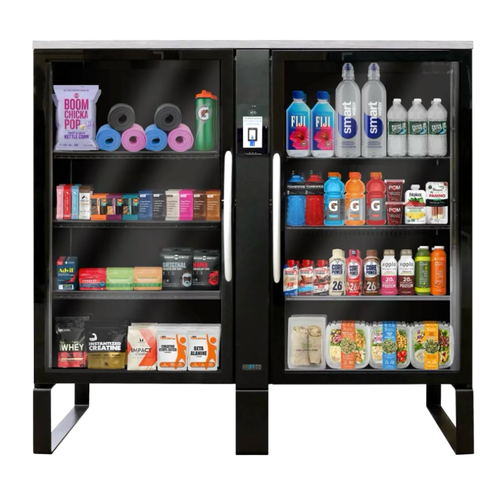
Nutrition is still the biggest concern. An unfavorable product selection can promote the frequent consumption of foods high in added sugar, sodium, or saturated fat. Others include:
Cost can also be a factor. Students may pay more for individually wrapped foods than they would for a school meal.
Schools must also consider waste, maintenance, food safety, access, and how vending might impact current food service programs.
Policy issues may also arise. If a machine is placed in the wrong area or is allowed to operate at the wrong time, it can disrupt meal service or cause supervision issues.
This is not to say that vending machines for schools are not a great idea. They are one of the best ideas a school can have in place, provided there are clear guidelines on the food policy.
Smart Coolers and Micro Markets for Schools
For schools that want to offer food variety to students, traditional vending machines do not offer a viable option for all types of food and beverages. Fresh and refrigerated products, in particular, may require a different setup that only smart coolers and micro markets can provide.
A smart cooler is a refrigerator that allows a student or faculty member to open the door, make a selection, and pay with a card that has been programmed with an automated payment system. Smart coolers are ideal for items such as yogurt, string cheese, fruit cups, salads, and wraps.
A micro market takes the concept a step further. Instead of a traditional machine with products behind glass, a micro market uses open shelving and a self-checkout kiosk. That creates room for a much wider selection, including fresh fruit, packaged salads, and grab-and-go meals.
For example, a high school with a wide commons can use a micro market to bring in fresh fruit, packaged salads, and grab-and-go meals, all under the same nutrition rules. However, since the shelves are unlocked, a micro market is best placed in a monitored location.
Making School Vending Work for Students
A vending program is more effective when it is part of a school’s overall food service strategy. With the right products, sensible placement, appropriate opening hours, and regular reviews, students’ access to food may be increased while not compromising nutrition.
FreshVendCLT vending solutions are built for schools in Charlotte, and each setup can be tailored to a school’s total headcount, hours, and space. We can also create product assortments based on the existing list of the school instead of relying on the same one at every place.
If you’re interested in exploring the option, request a free site visit and bring along your wellness policy to give us a clear starting point for designing a vending program that fits the school's rules from the get-go.
Frequently Asked Questions
1. Do School Vending Machines Have To Meet Nutrition Standards?
Yes. Foods and beverages sold to students on campus during the school day outside the school meal program are subject to USDA Smart Snacks requirements. The standards address factors such as calories, sodium, fat, sugar, and beverage size. States and districts may impose additional restrictions.
2. What Are The Benefits Of Allowing Vending Machines In Schools?
Vending machines can provide food and beverages when the cafeteria is not operating, offer cashless payment options, and potentially generate revenue for student programs. Sales information can also show schools which products students actually want, making it easier to adjust the selection over time.
3. Can Vending Machines Offer Healthy Snacks Instead Of Candy And Soda?
Yes. Products such as popcorn, nuts, whole-grain bars, yogurt, fruit cups, and water can be included when they meet the applicable Smart Snacks requirements. Many traditional candy products and regular sodas do not meet those requirements for sales during the school day.
4. Are Vending Machines Banned In All Schools?
No. Federal regulations establish nutrition requirements rather than a blanket ban on vending machines. Individual states and school districts can set additional restrictions based on factors such as grade level, location, or operating hours. The local wellness policy is therefore an important document to review before installing a machine.