Micro Markets Vs Vending Machines: Which Fits Your Charlotte Office Breakroom?
Key Takeaways
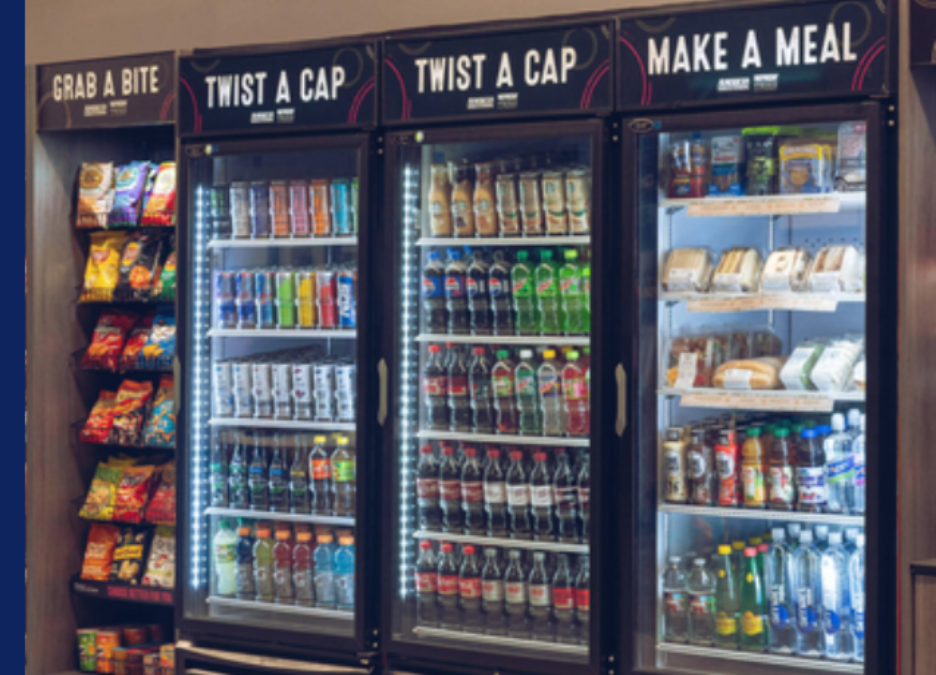
A micro market is a single space where employees can shop for fresh food, snacks, and drinks from open shelves and self-checkout.
Vending machines generally cost less to install and are a practical choice when breakroom space is limited.
A typical micro market takes 100 to 200 square feet, while a vending machine setup can be placed in a corner with as little as 20 square feet.
Most Charlotte offices have vending machines and a micro market side by side to serve quick grabs and full meals.
Facilities that are open 24/7, such as hospitals and warehouses, see the best returns from a micro market.
Smart stores now average $4.25 per transaction — more than double the $2.11 average for traditional vending machines — while micro markets can generate over three times the revenue per location, according to William Blair's equity research report on unattended retail. That difference offers some insight into how employees are using modern breakrooms and the types of options they value.
For Charlotte businesses, choosing between a micro market vs. vending machine setup usually comes down to three things: available space, the number of employees, and how much variety people want throughout the day.
Vending machines still make sense for smaller offices and locations with limited floor space. Micro markets, on the other hand, give larger teams access to a variety of products, including fresh meals and refrigerated items, while providing a more traditional shopping experience.
Table of Contents
What is a micro market in an office?
Micro market vs. vending machine: Quick comparison
How much space does a micro market need?
Are micro markets secure without staff?
Micro market or vending machines for 100 employees
Running micro markets and vending machines together
Which is better for a 24/7 facility?
FAQs
The right fit for your breakroom What Is a Smart Cooler Vending Machine?
What Is a Micro Market in an Office?
A micro market is a small, self-service store located inside an office breakroom or common area. Instead of selecting products through a vending machine, employees can walk up to open shelves and refrigerated cases, choose what they want, and pay at a self-checkout kiosk or through a mobile app.
The experience is straightforward. Employees browse the available products, pick up what they need, and check out without waiting for a cashier or using traditional vending machine buttons.
A typical Charlotte micro market may include:
Open shelves for pantry items, pastries, and snacks
Refrigerated cases for sandwiches, salads, and cold beverages
Coffee station or espresso machine
A self-checkout kiosk or mobile payment option
Many Charlotte office breakrooms that install a micro market also keep a dedicated office coffee setup nearby, as coffee remains one of the most requested items in any breakroom.
Micro Market vs. Vending Machine: Quick Comparison
Micro markets and vending machine solutions both provide convenient food and drinks at work, but they are designed for different environments.
| Factor | Vending Machines | Micro Markets |
|---|---|---|
| Space needed | 20 to 40 sq. ft. | 100 to 200 sq. ft. |
| Product variety | Around 30 to 60 items | 150+ items |
| Fresh food | Limited, mostly packaged | Salads, sandwiches, produce, and other fresh options |
| Checkout | Cash, card, or contactless payment | Self-checkout kiosk or mobile app |
| Staffing | None | None |
| Upfront cost | Lower | Moderate |
| Best for | Smaller teams and limited spaces | Larger teams and bigger breakrooms |
A full lineup of vending machines can still be the better choice for smaller Charlotte offices, distribution centers with limited breakroom space, or businesses looking for a straightforward and affordable refreshment option. The key is not simply choosing the newer option, but opting for a setup that fits how employees actually use the space.
How Much Space Does a Micro Market Need?
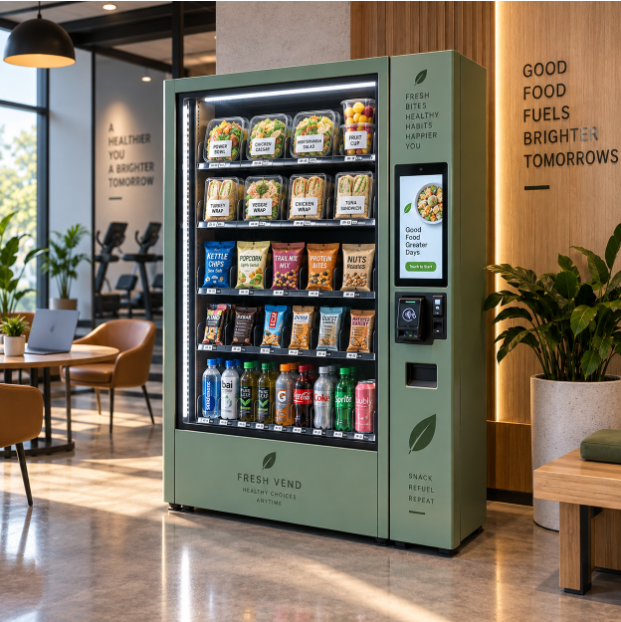
Most micro markets require between 100 and 200 square feet. That space allows room for shelving, refrigerated cases, a checkout kiosk, and enough open floor area for employees to move around comfortably.
A smaller office with 30 to 50 employees can accommodate a compact market in roughly 100 square feet. Larger offices or facilities with heavy foot traffic may benefit from a larger space, closer to 200 square feet, which allows for a wider product mix and shorter lines during peak breaks.
Vending machines require considerably less room. A single machine typically fits in a small kitchen, hallway, nook, or corner near an elevator. This makes vending a practical solution for offices that don't have enough space for a dedicated retail-style breakroom.
It's also worth considering how employees move through the area. A micro market may technically fit into a particular room, but if shelves or checkout equipment create congestion during lunch or shift changes, the layout may need to be adjusted. Key Factors When Choosing a Smart Cooler
Are Micro Markets Secure Without Staff?
Yes. Micro markets are designed to operate in unattended retail office spaces, using technology similar to that used by employees in grocery and convenience stores.
Instead of relying on an employee to monitor the area, several layers of technology can help reduce product loss. These may include:
Cameras positioned around the shelving and checkout area
Weight sensors in certain refrigerated cases
Purchase records connected to a badge, payment card, or mobile app
Remote monitoring by the vending provider
Some Charlotte businesses also use smart cooler technology, which can use computer vision to identify products as they are removed. This makes the checkout process even easier while helping providers identify missed scans. No security system eliminates every instance of product loss, but the combination of monitoring and automated checkout enables micro markets to operate without an attendant in the breakroom. Matching the Right Smart Cooler to Your Industry
All workplaces snack in different ways. The needs of a hospital breakroom during a night shift are not the same as the needs of a gym floor at 6 a.m. This can be more readily imagined in real-life situations:
Micro Market or Vending Machine for 100 Employees?
Employee count is one of the simplest ways to narrow down the options, although available space and employee preferences still matter.
As a general starting point:
Under 30 employees: A vending machine or combination unit will often provide enough capacity without taking up unnecessary space.
30 to 75 employees: This is where a micro market may start to make sense, particularly if employees want more variety. A well-stocked vending machine can still work when space is limited.
75 to 150 employees: A micro market is often the stronger option because it can handle more shoppers and provide a larger product selection.
150+ employees: Micro markets can serve as the primary breakroom option, with vending machines added in other areas for after-hours access.
For an office with around 100 employees, a micro market can be particularly useful. More people can shop at the same time, reducing the bottleneck that can occur when everyone is trying to use one or two vending machines during a short lunch break.
The larger product selection is another advantage. Employees can choose from snacks and drinks as well as frozen foods and other options that aren't practical to stock in large quantities inside traditional vending machines.
Running Micro Markets and Vending Machines Together
Choosing a micro market doesn't mean vending machines have to disappear. In fact, the two can complement each other well. A Charlotte business might use a micro market as its primary breakroom amenity while placing one or two vending machines elsewhere in the facility.
For example, a warehouse could have a full micro market in its main employee breakroom and vending machines closer to production areas. Employees working overnight or in another part of a large facility can still grab a drink or snack without walking across the entire property.
This combination provides more flexibility. The micro market handles fresh food, meals, and a greater variety, while vending machines provide quick access in locations where a full market would not be practical.
Which Solution Is Better for a 24/7 Facility?
For facilities that operate around the clock, a micro market can provide a significant advantage.
Hospitals, manufacturing plants, warehouses, and distribution centers often have employees working early mornings, overnight shifts, weekends, and holidays. During those hours, nearby restaurants and stores may be closed, making an on-site food option much more valuable.
A micro market allows employees to access meals, drinks, snacks, and other essentials without requiring a cafeteria or store to have someone working behind a counter.
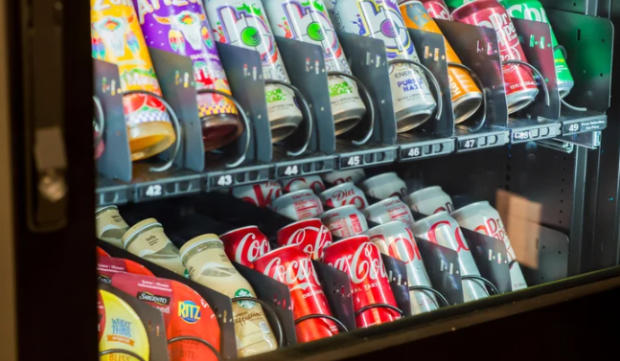
That doesn't mean vending machines aren't useful in these environments. A vending machine in a secondary break area can give employees another convenient option, particularly when they work far from the main breakroom.
FAQs
1.What is a micro market?
A micro market is a self-service retail area located inside a breakroom or common space. Employees can choose from fresh food, snacks, beverages, and other products before paying at a self-checkout kiosk or via a mobile app.
2.How much floor space does a micro market need?
Most micro markets require approximately 100-200 square feet. The amount of space needed depends on the size of the product selection, expected traffic, and layout of the breakroom.
3.How do micro markets prevent theft without an attendant?
Micro markets use a combination of cameras, sensors, purchase records, and remote monitoring to discourage theft and identify unusual activity. Some systems also use smart coolers and computer vision to track products automatically.
4.Can a micro market and vending machines run side by side?
Yes. Many businesses use a micro market as their main breakroom solution and place vending machines in secondary locations, such as warehouses, production areas, or overnight work zones.
5.Does a micro market offer fresh food that vending machines cannot?
Micro markets can offer a much broader selection of fresh and refrigerated foods, including salads, sandwiches, and produce. Traditional vending machines are generally better suited to packaged snacks and drinks.
6.Which is better for a 24/7 facility?
A micro market is often a strong choice for a 24/7 facility because it can provide employees with meals, snacks, and beverages at any hour without requiring a staffed cafeteria or store.
The Right Fit for Your Breakroom
There isn't one answer that works for every Charlotte workplace.
For smaller offices with limited space, vending machines provide an affordable and convenient way to give employees access to refreshments. Larger offices may get more value from a micro market because it offers greater variety, fresh food, and enough room for several employees to shop at once.
Facilities that operate 24/7 may also benefit from combining both options. A micro market can serve as the main breakroom destination, while vending machines provide convenient access in other areas of the property.
The best place to start is by looking at your employee count, available floor space, operating hours, and the products your team actually wants. From there, you can determine whether vending, a micro market, or a combination of both makes the most sense.
For Charlotte-based businesses and the surrounding areas, FreshVendCLT works with offices, warehouses, healthcare facilities, and apartment communities across to plan, install, and stock the right setup for each breakroom. Reach out to FreshVendCLT for a free consultation and find out which option, or combination, works best for your space.